British Troops Preparing For War
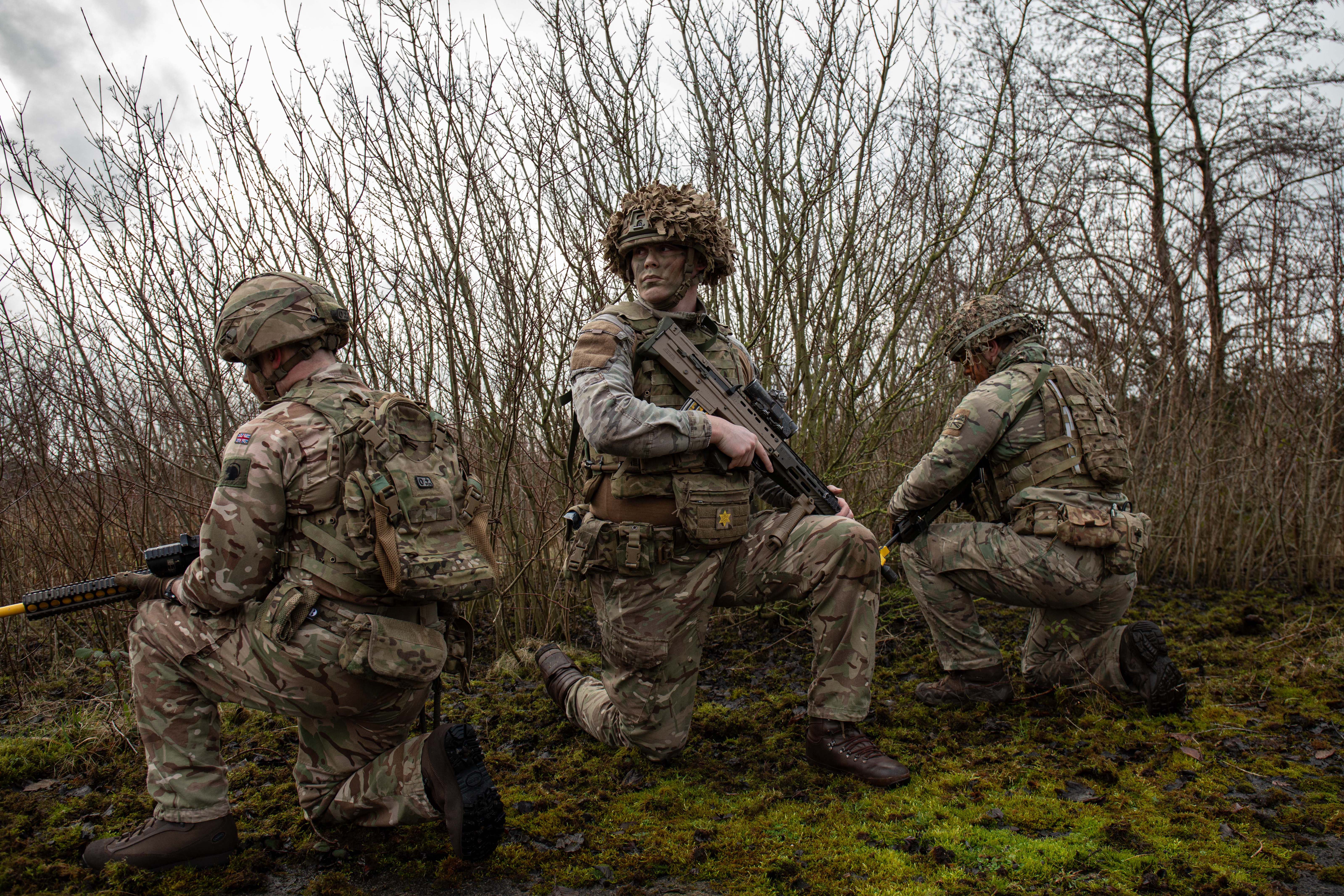
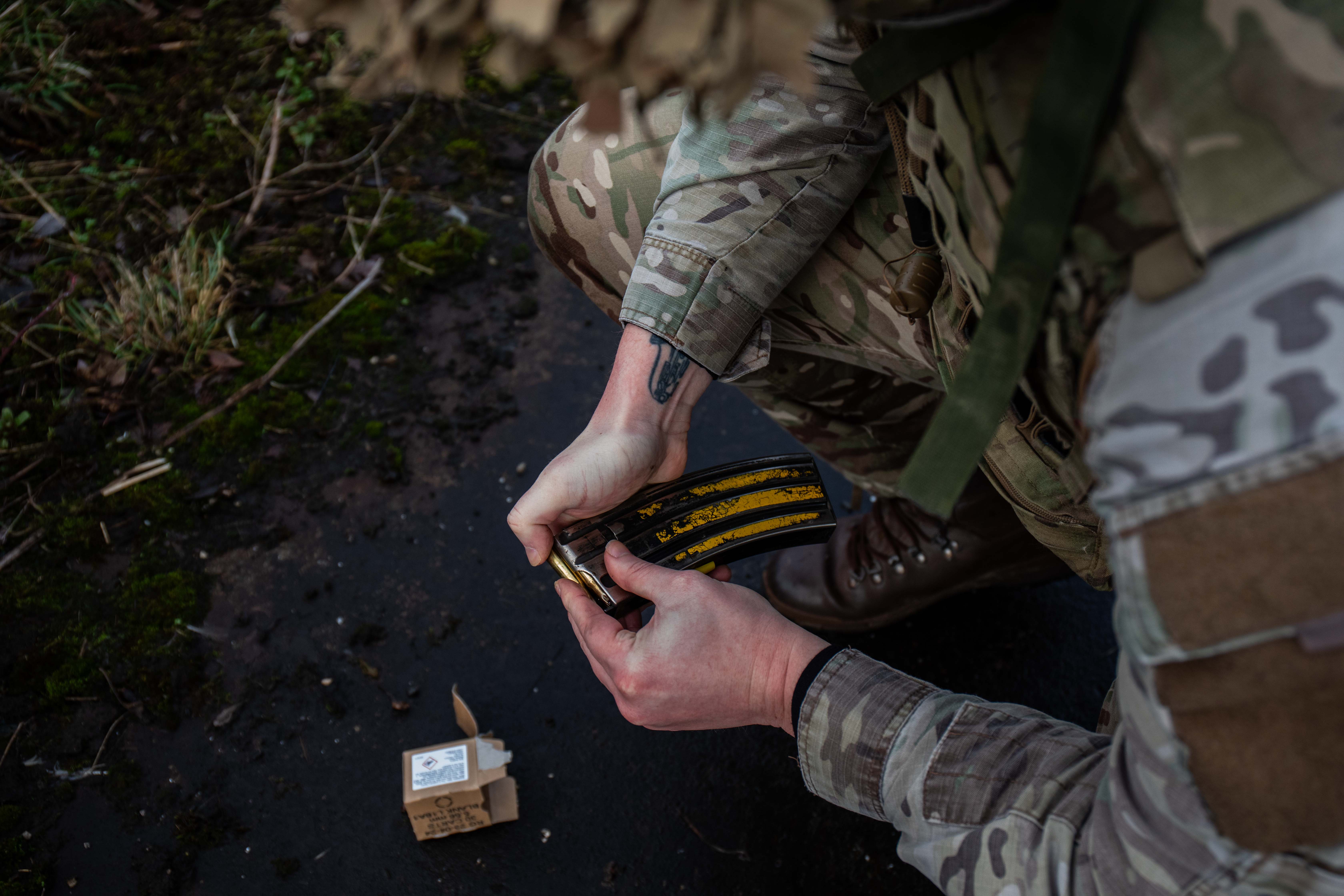
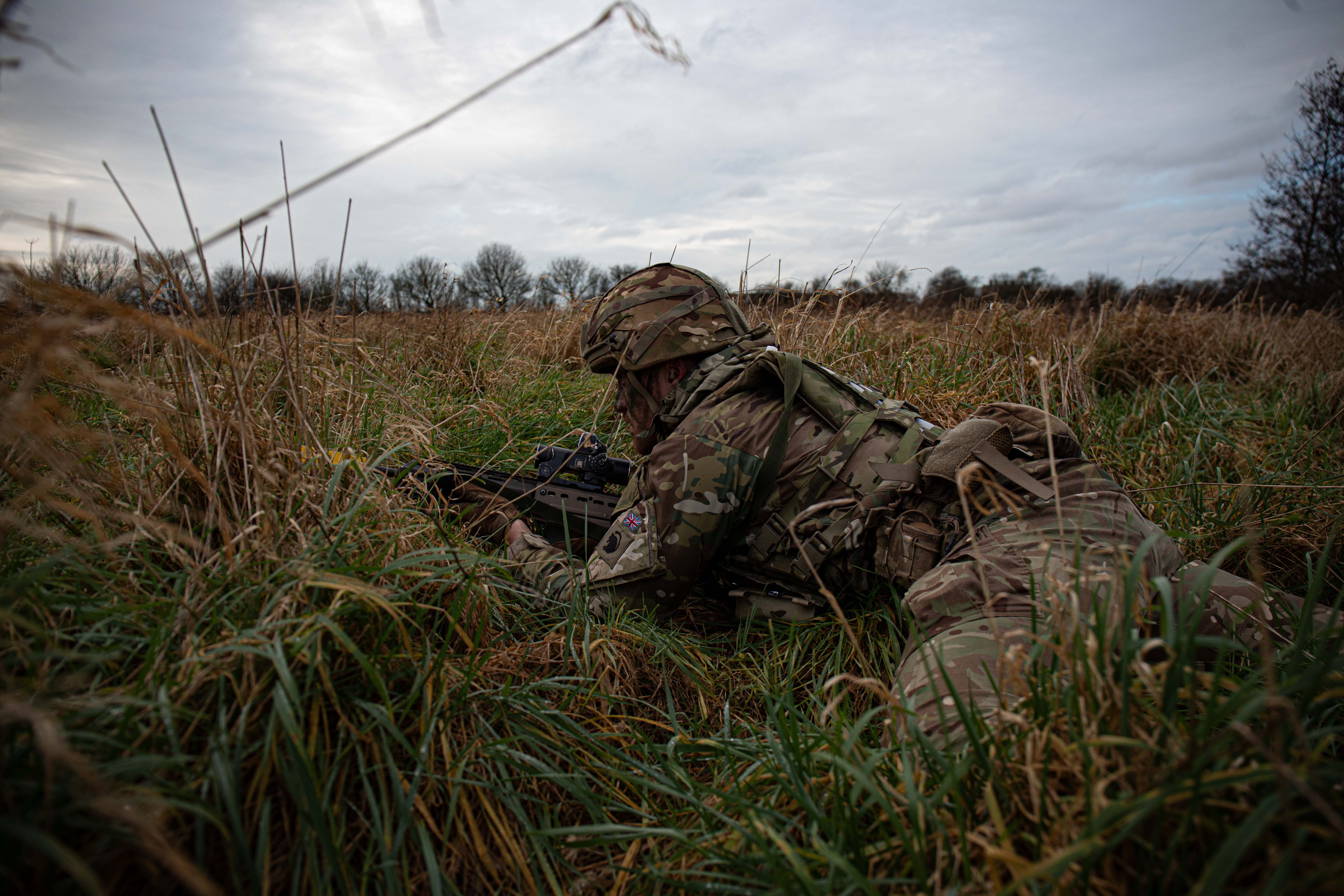
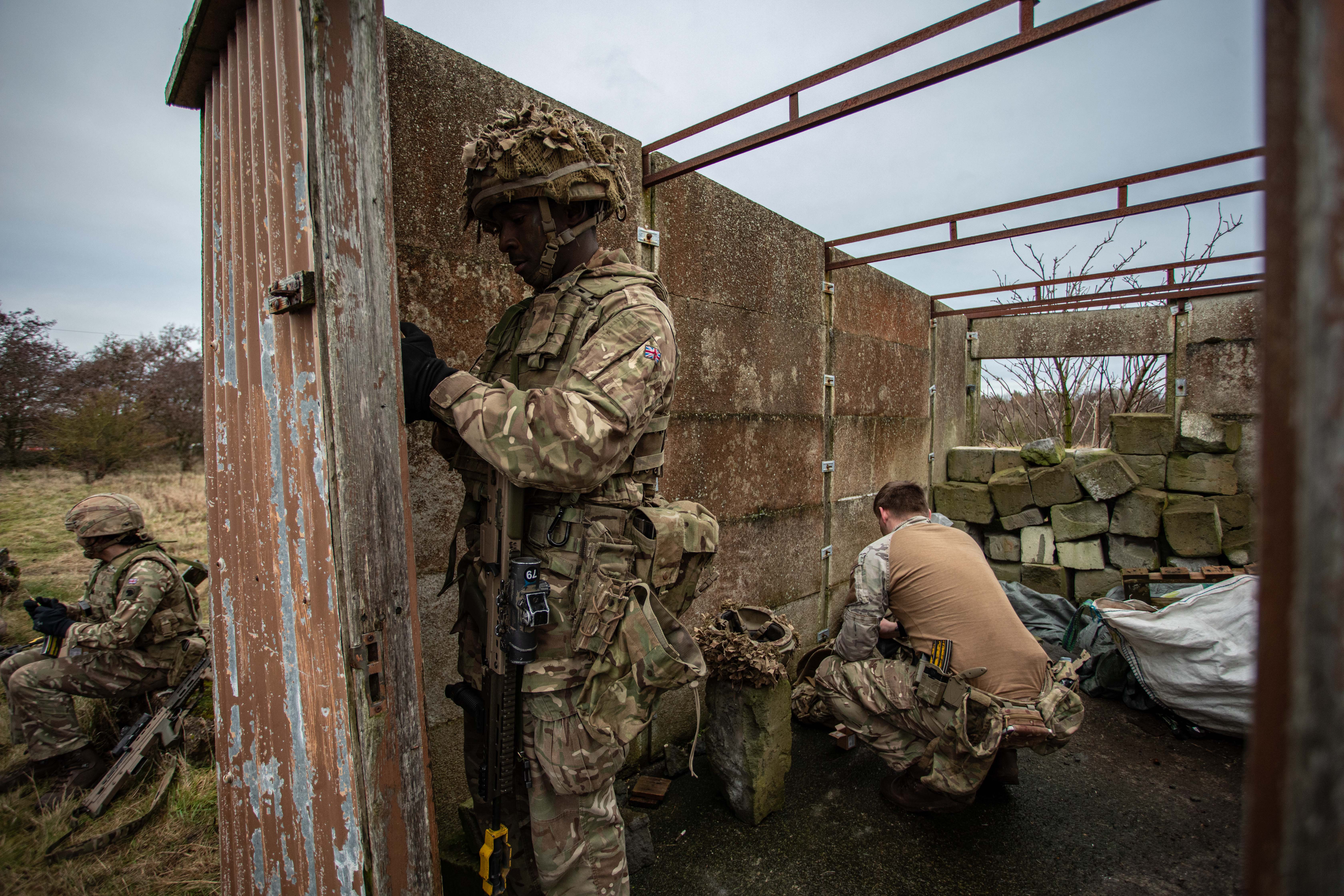
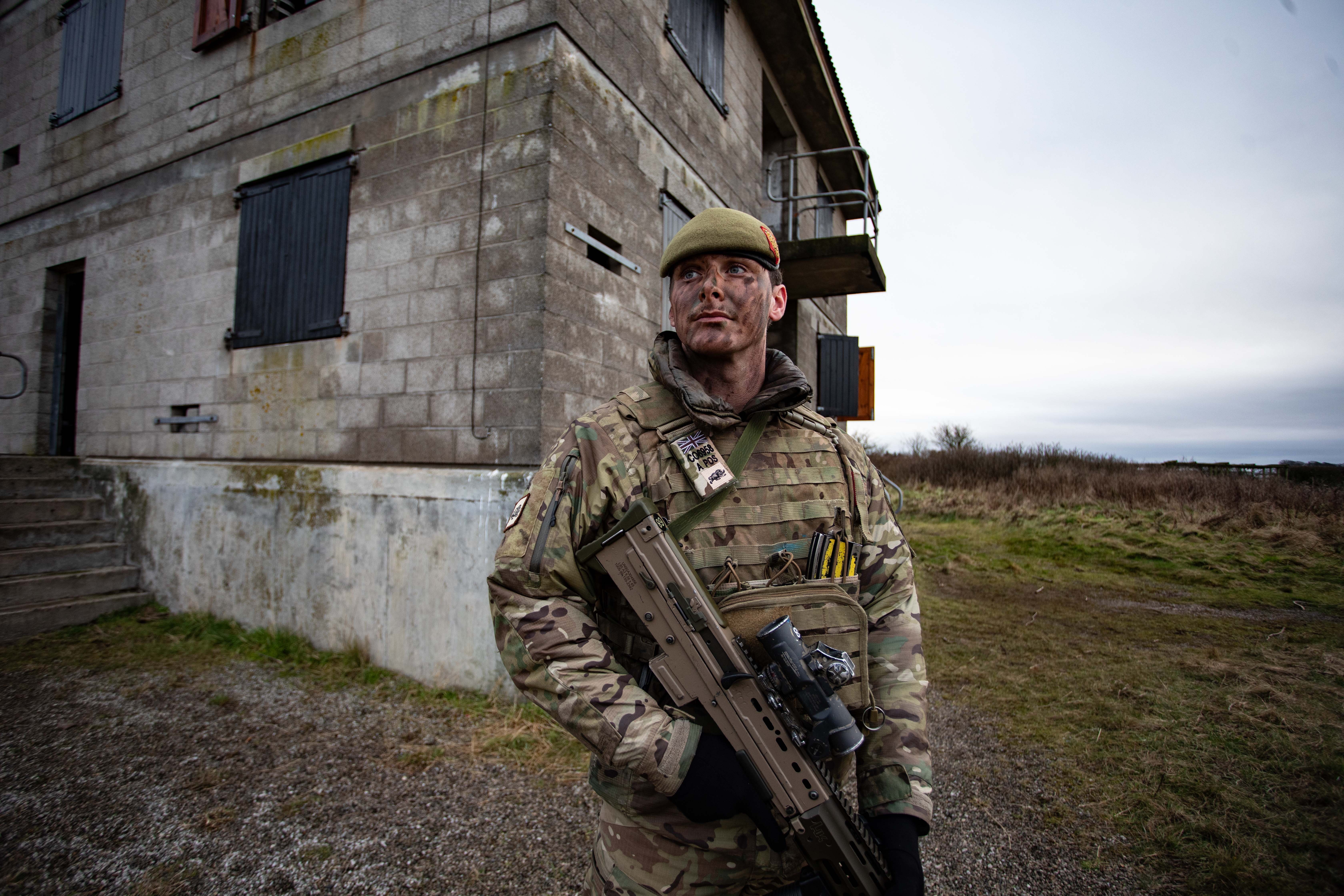
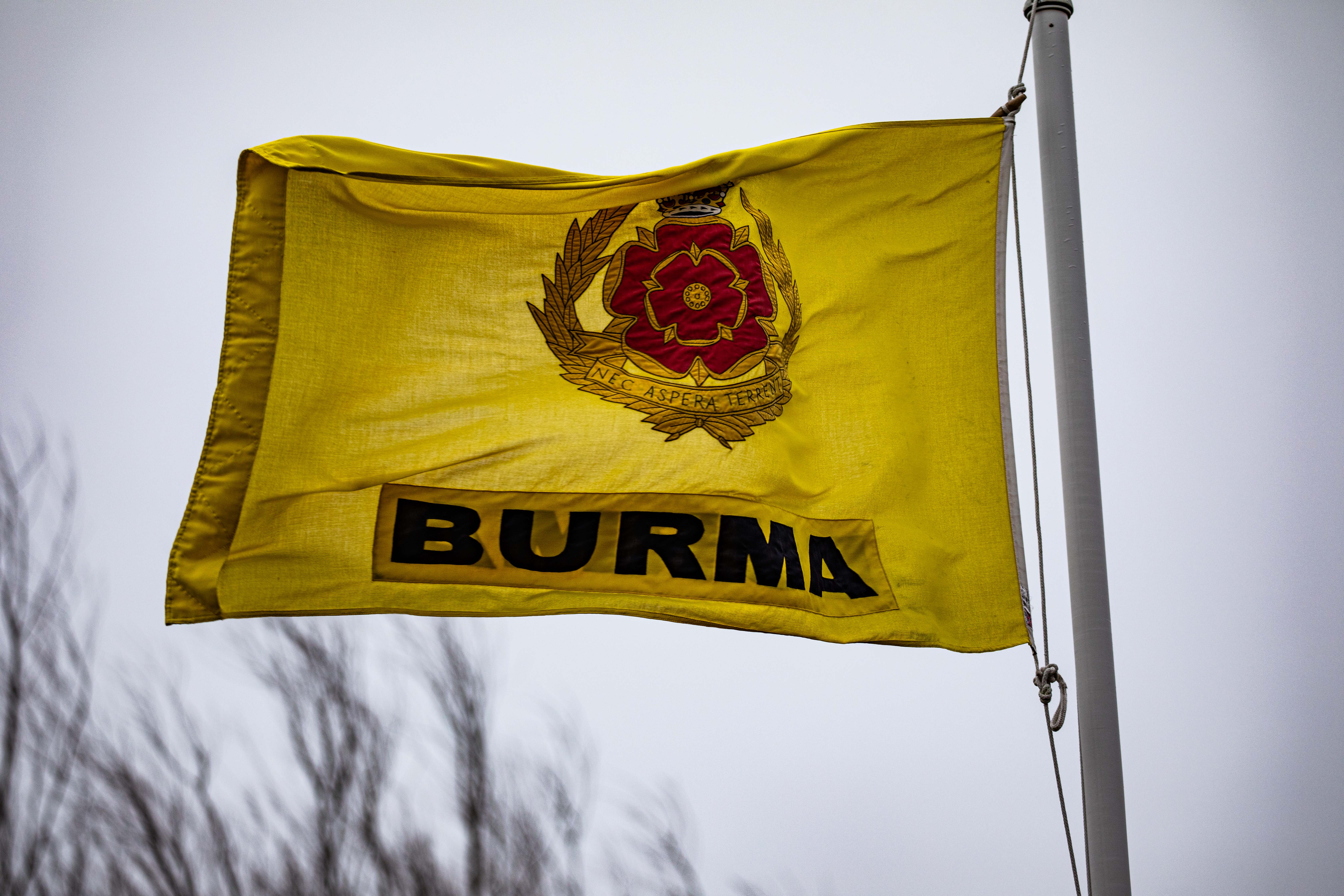
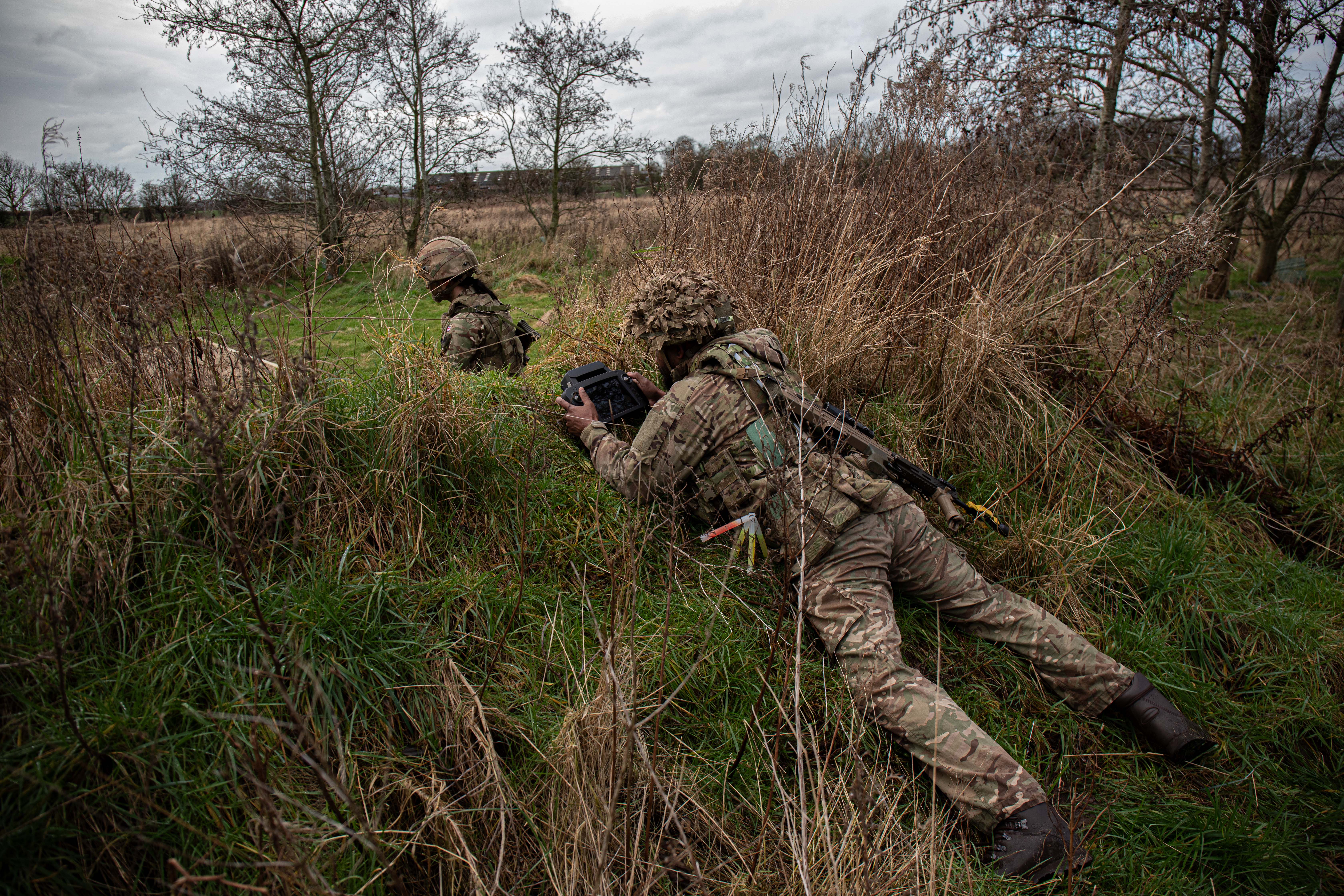
Around 100 soldiers of the 1st Battalion, The Duke of Lancaster’s Regiment, have been strengthening their warfighting skills with the state-of-the-art equipment at Weeton Barracks, Preston, Lancs. The regiment is one of NATO’s pivotal Army units in the role of Forward Land Forces (FLF) Strategic Reserve.
This means if conflict in the region was to break out the battalion would be expected to be fighting in as little as 10 days alongside NATO forces around the world. The regiment is said to be on currently on high alert to be deployed in case of Russian escalation.
The troops are currently developing skills in areas such as air and land drone systems, battlefield data mapping systems, anti-tank weapons, and urban warfare. Officials say the warfare training is intended to raise proficiency and readiness ahead of an upcoming training deployment to France next month on Exercise Gaulish.














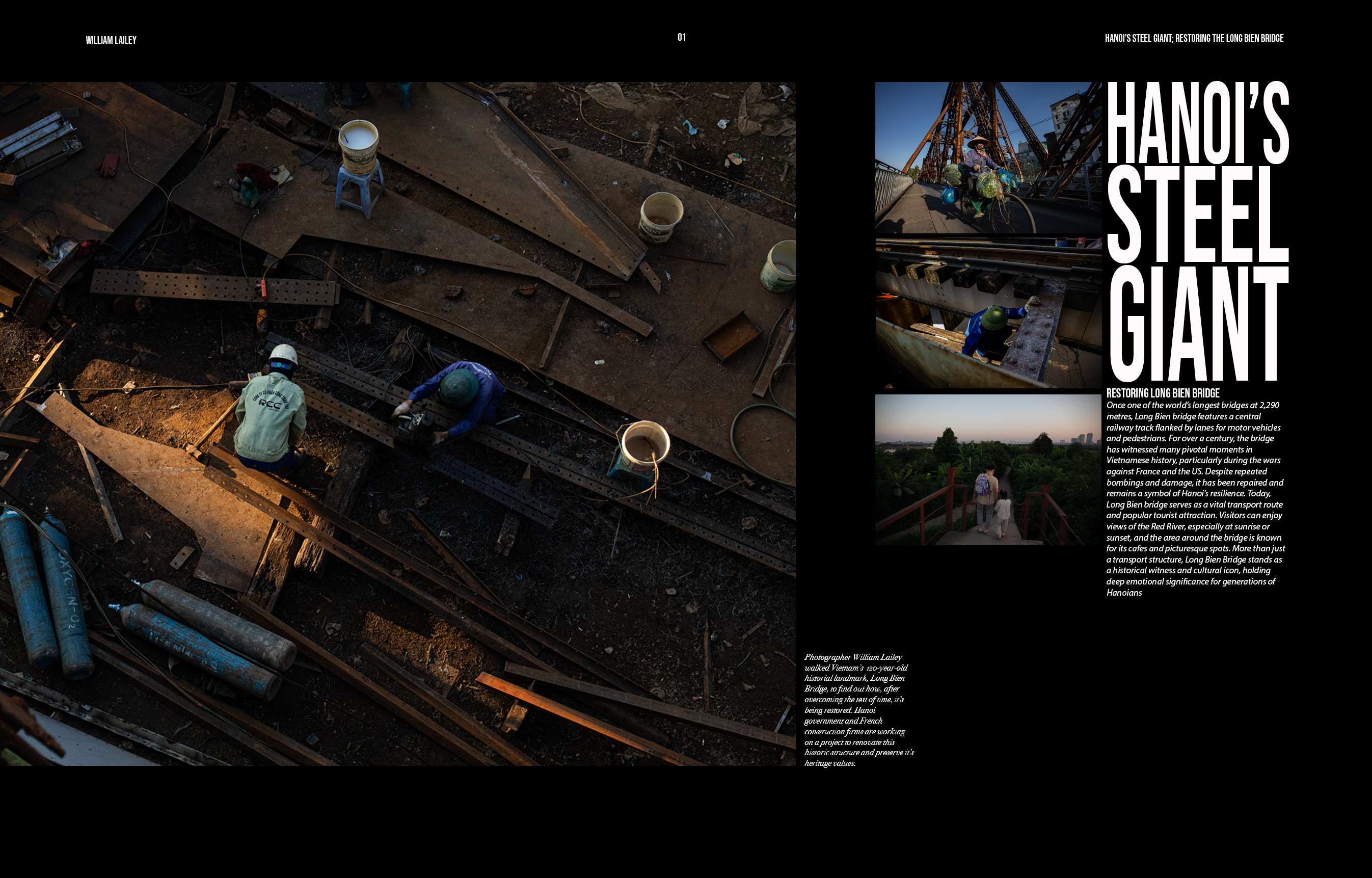
Hanoi's Steel Giant: Restoring Long Bien Bridge
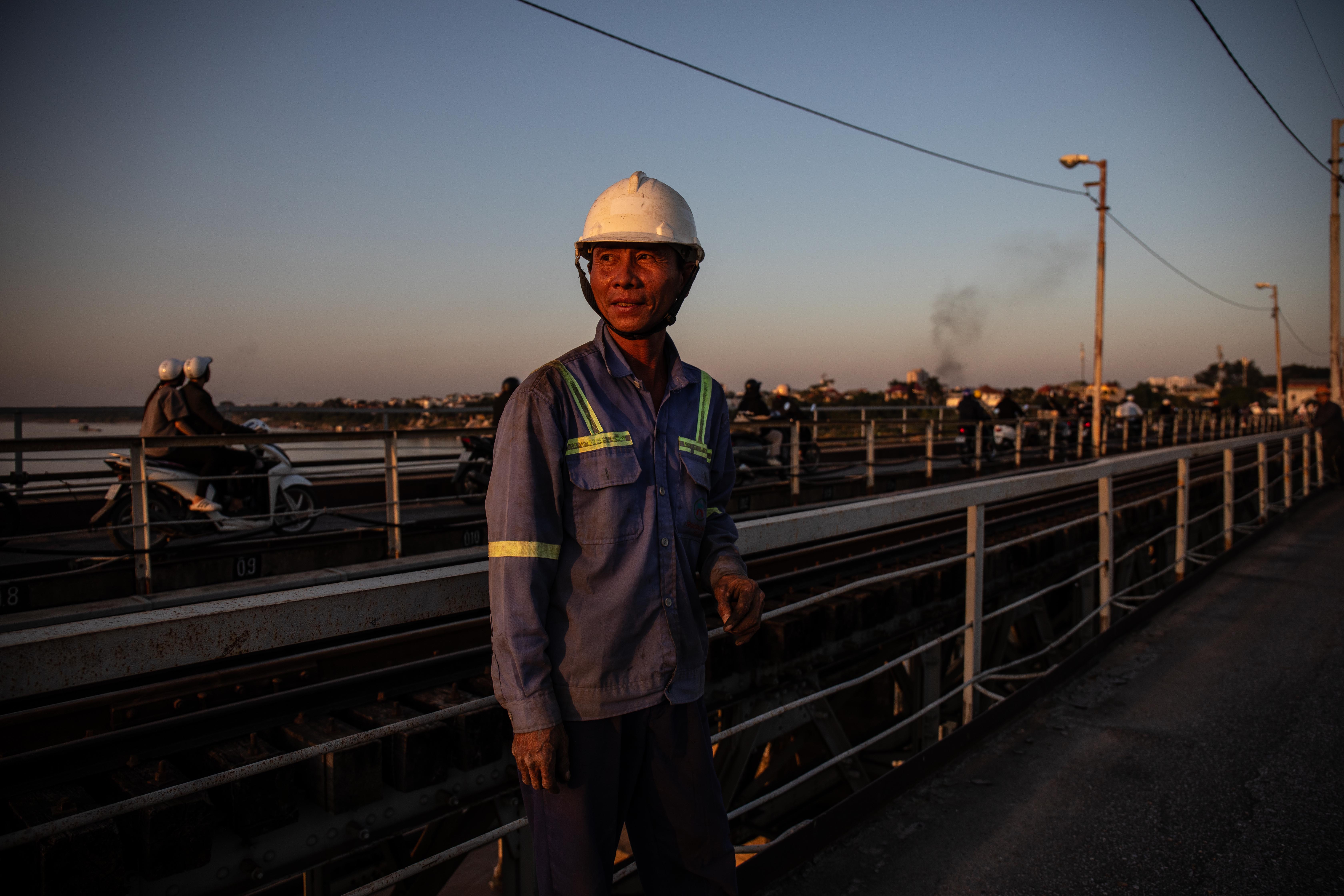
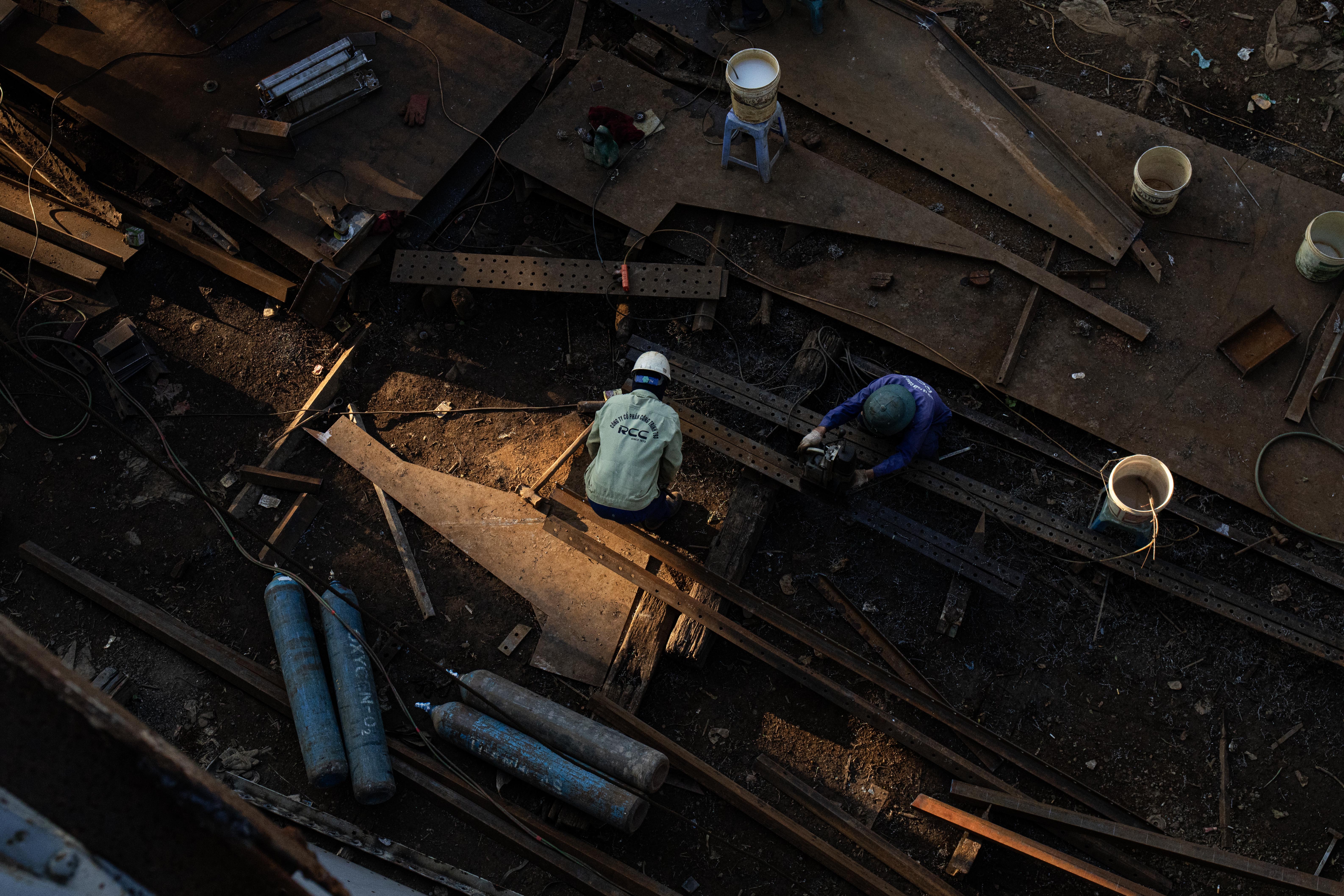
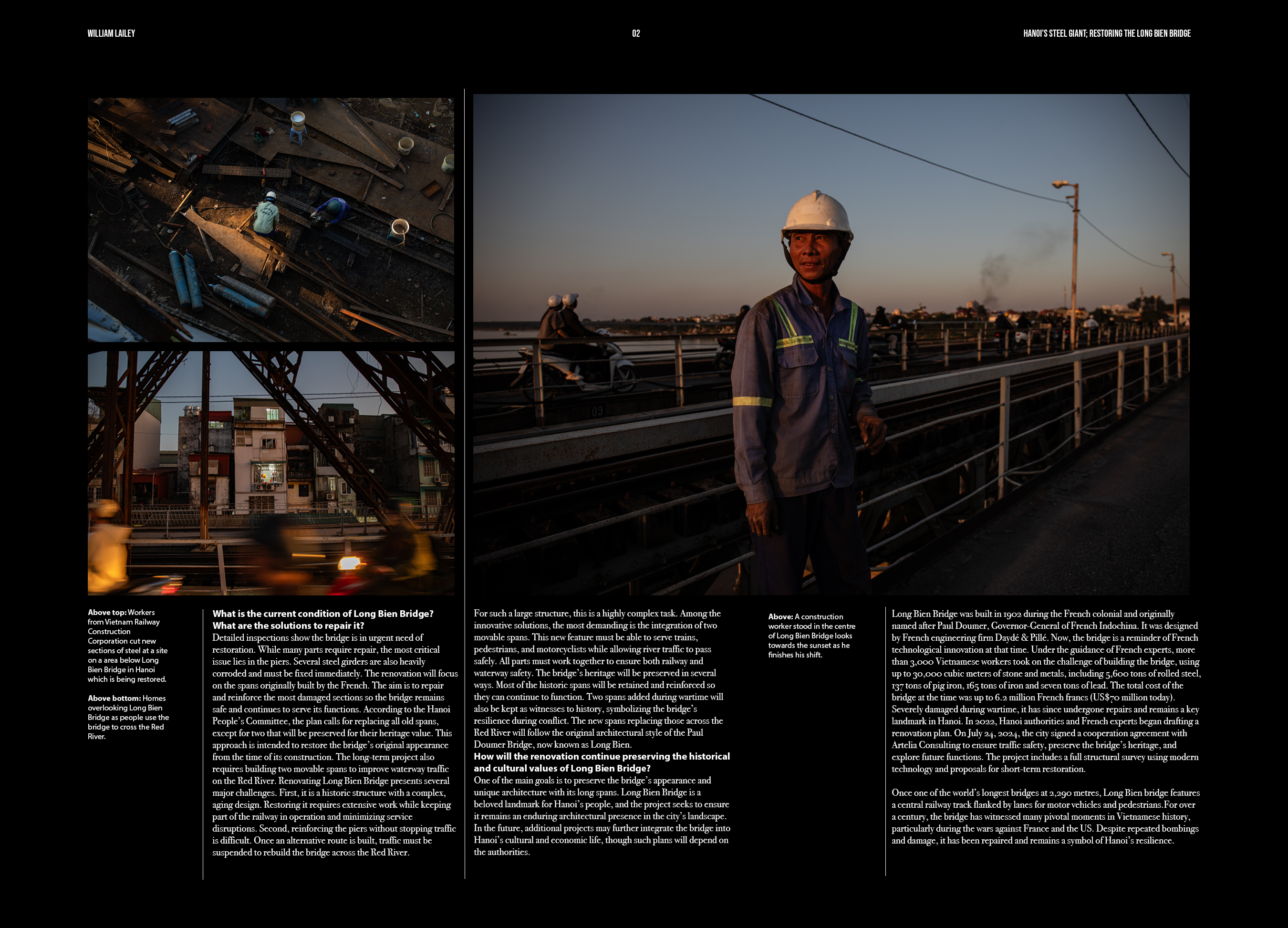
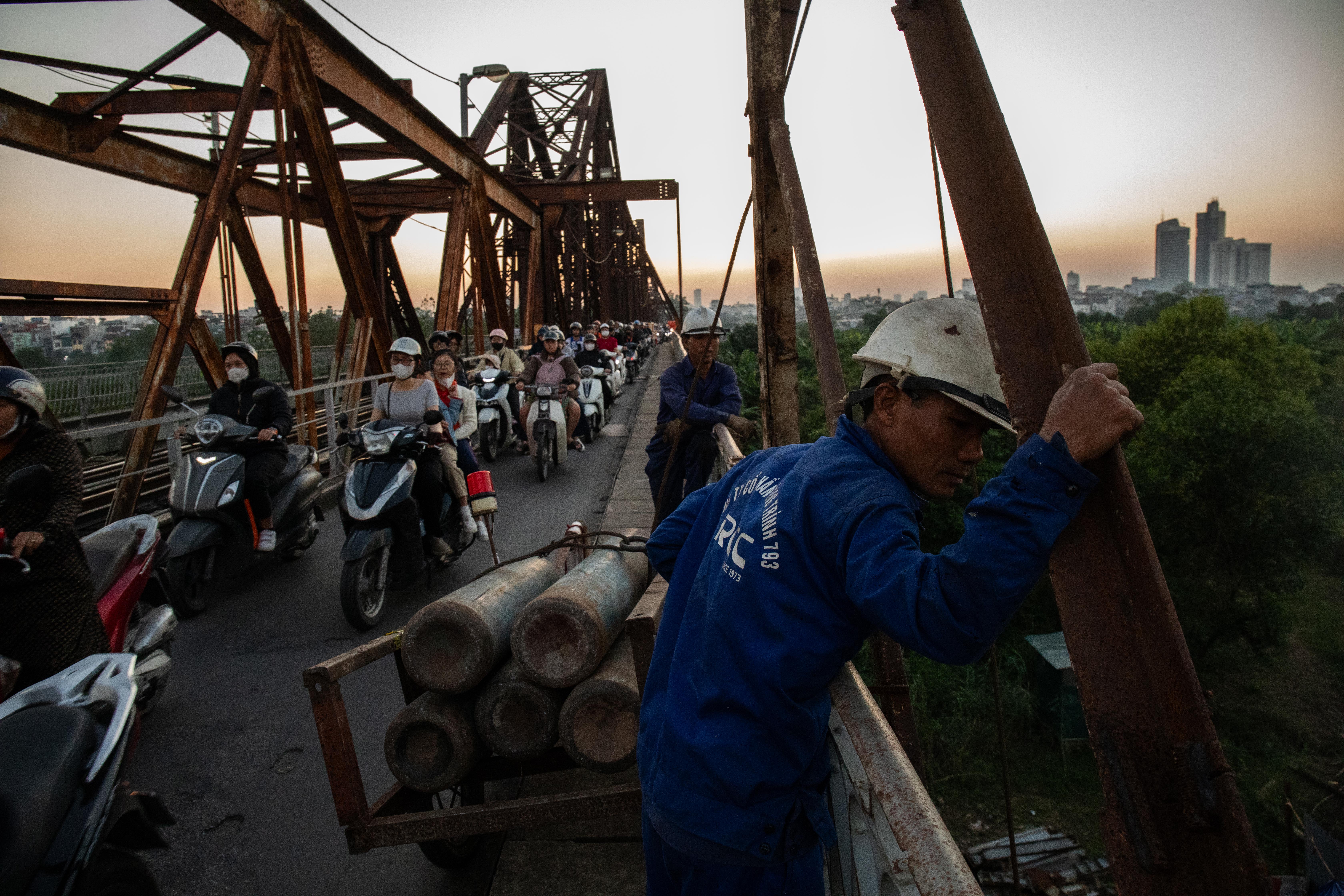
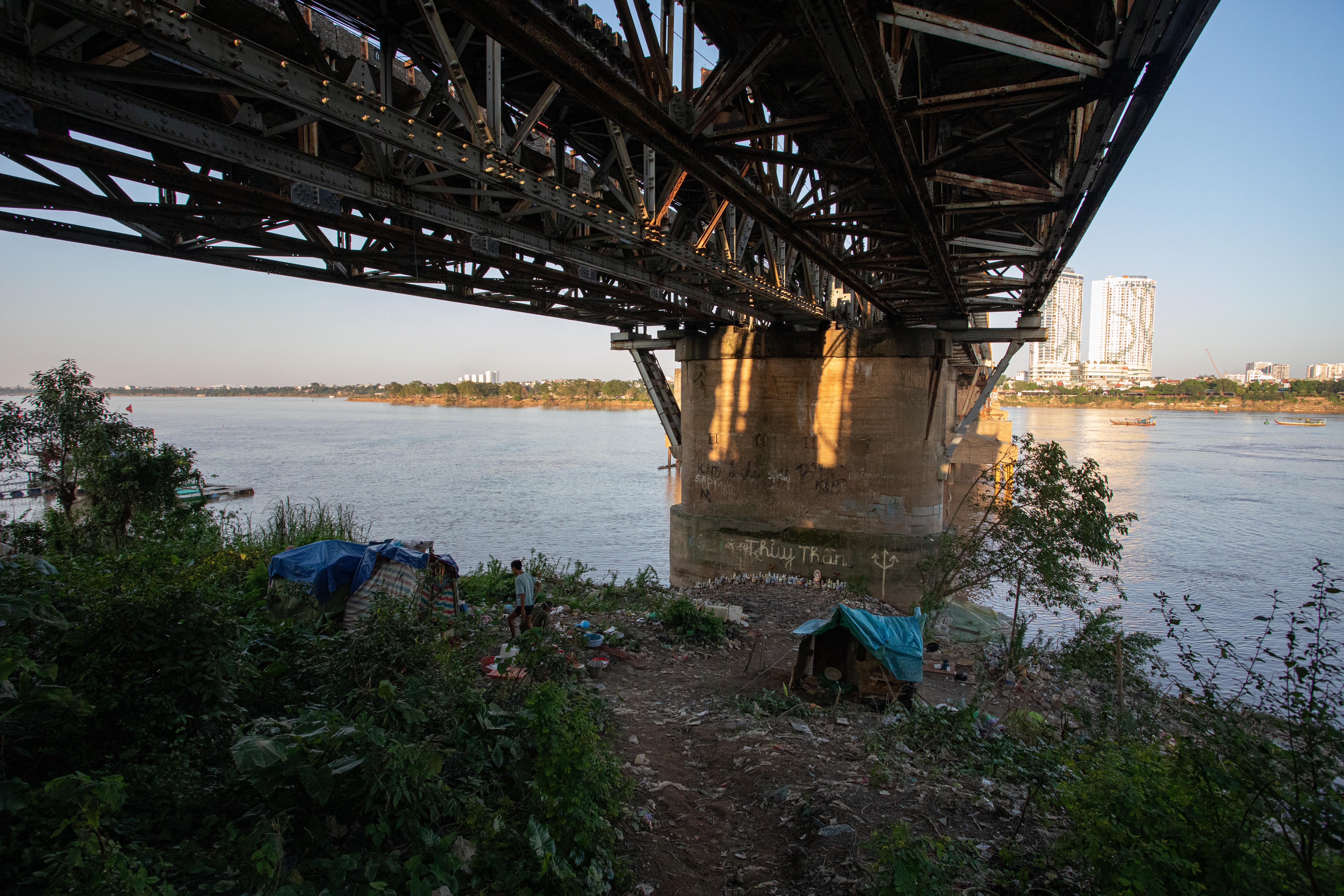
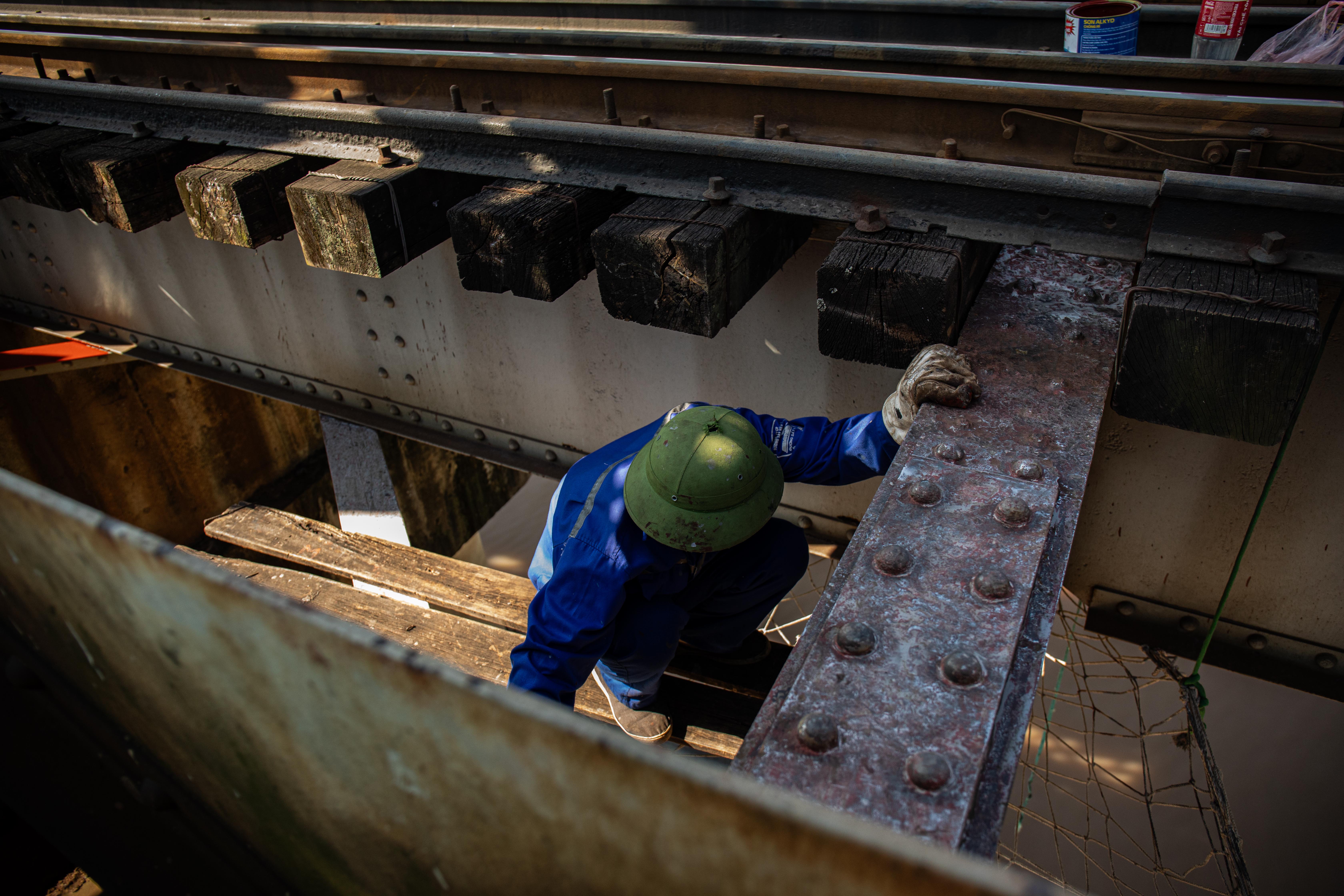
For over a century, Long Bien Bridge has witnessed many pivotal moments in Vietnamese history, particularly during the wars against France and the US. These photographs frame the restoration as both a technical and cultural exchange. They portray the bridge as a site where French and Vietnamese histories intersect, and where international cooperation helps ensure that Long Bien Bridge endures as a functional crossing and a powerful witness to Hanoi’s evolving identity.
During November 2025, I walked the length of Long Bien Bridge, which stretches across the Red River. Originally constructed during the French colonial period, the bridge carries the imprint of French engineering and industrial design, which continues to shape the restoration process today. By spending time with the Vietnamese construction workers and capturing daily vignettes my aim was to show both the fragility and resilience of the structure, revealing how restoration is not an act of erasure, but of preservation.
The first ever steel bridge over the Red River, it connects the districts of Hoan Kiem, Ba Dinh, and Long Bien. Built by French company Daydé & Pillé, construction began on September 12, 1898, and finished on February 28, 1902. The bridge was initially named Doumer after Paul Doumer, then Governor-General of Indochina. France has pledged nearly 20 billion VND (approximately $775,876 USD) in non-refundable aid for a research project on renovating Hanoi’s Long Bien bridge (Hanoi Times).
Through wide river views, close-up details and portrait, this series highlights a dialogue between histories: colonial-era architecture and present-day Hanoi, European engineering traditions and local knowledge, memory and renewal. Trains, bicycles, and pedestrians continue to cross the bridge as restoration unfolds, emphasising that Long Bien Bridge remains a living structure rather than a frozen relic. A local man performs his daily yoga exercises whilst wearing a shirt with the emblem of the French Football Federation - a reminder of French history - and the idea that the people of Hanoi are deeply attached to the bridge, and how the French share this sentiment.




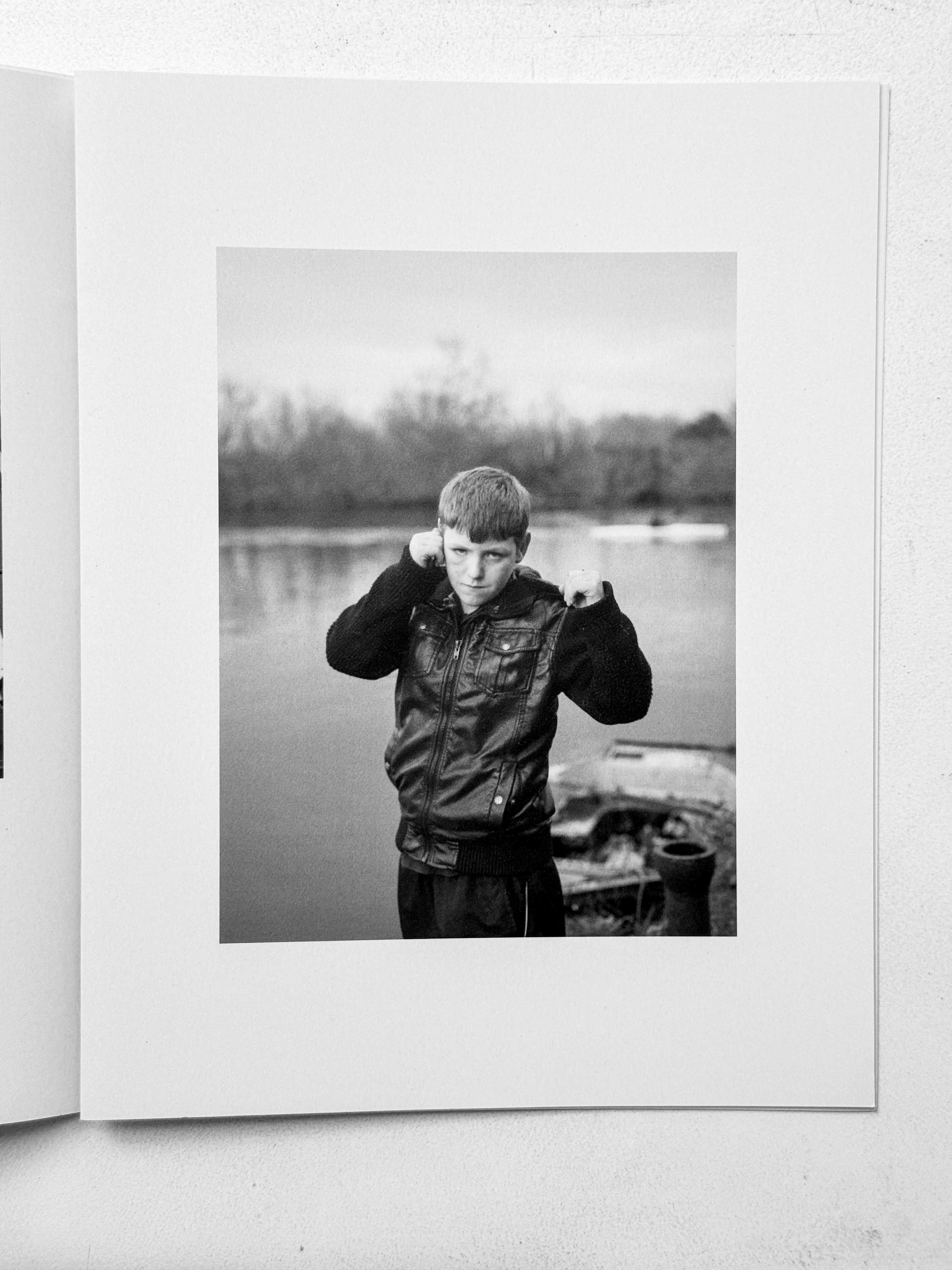
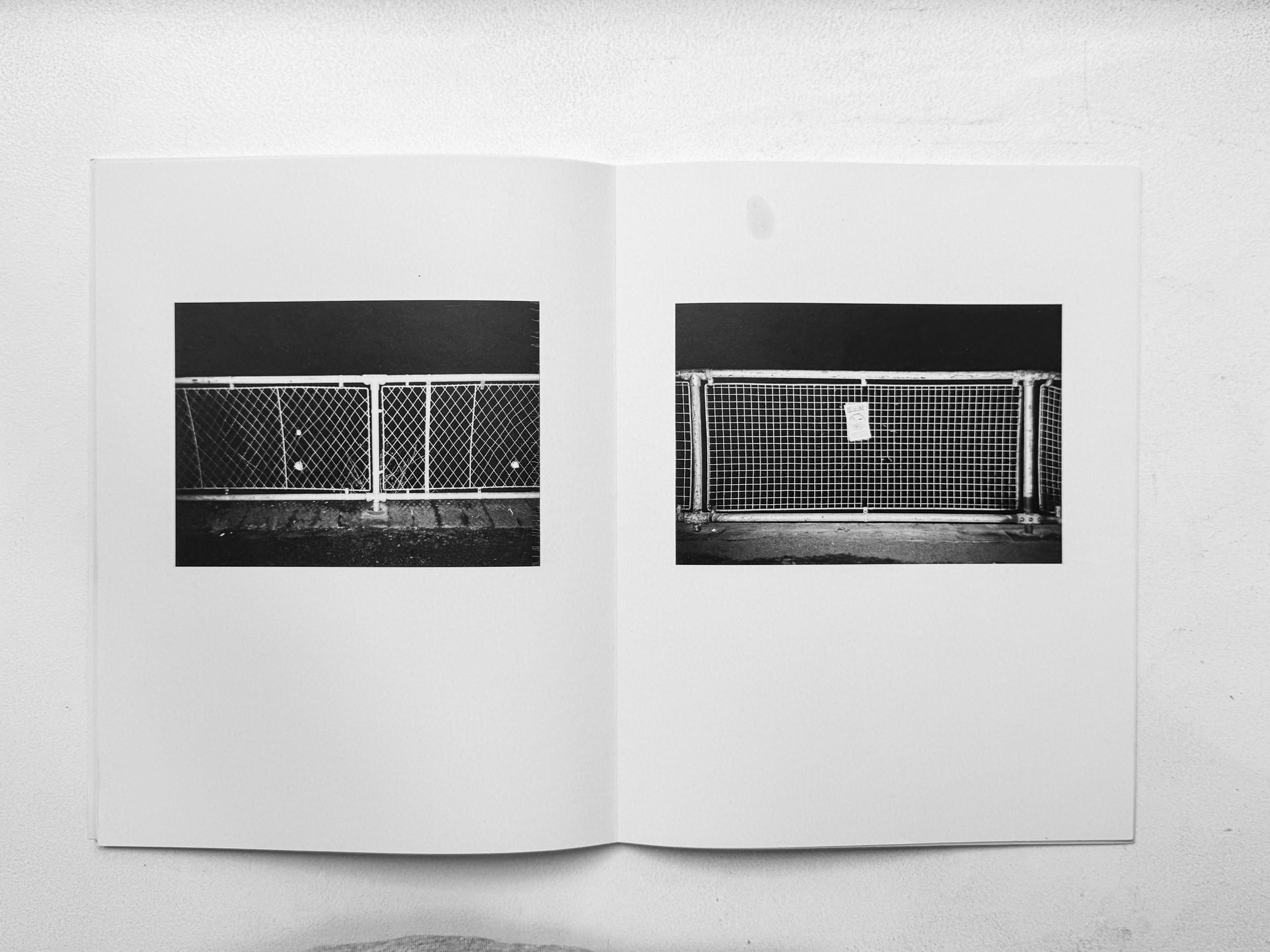
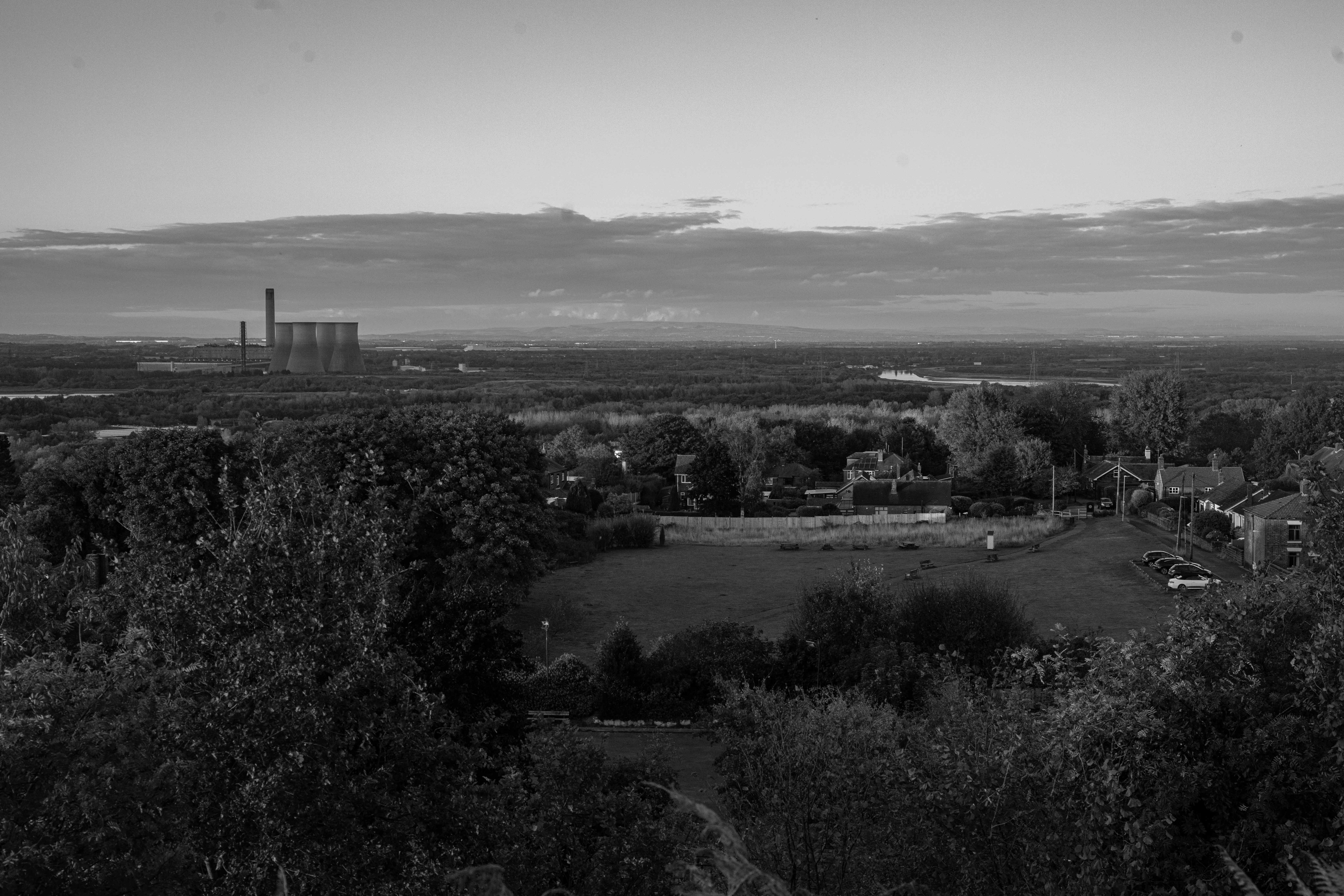
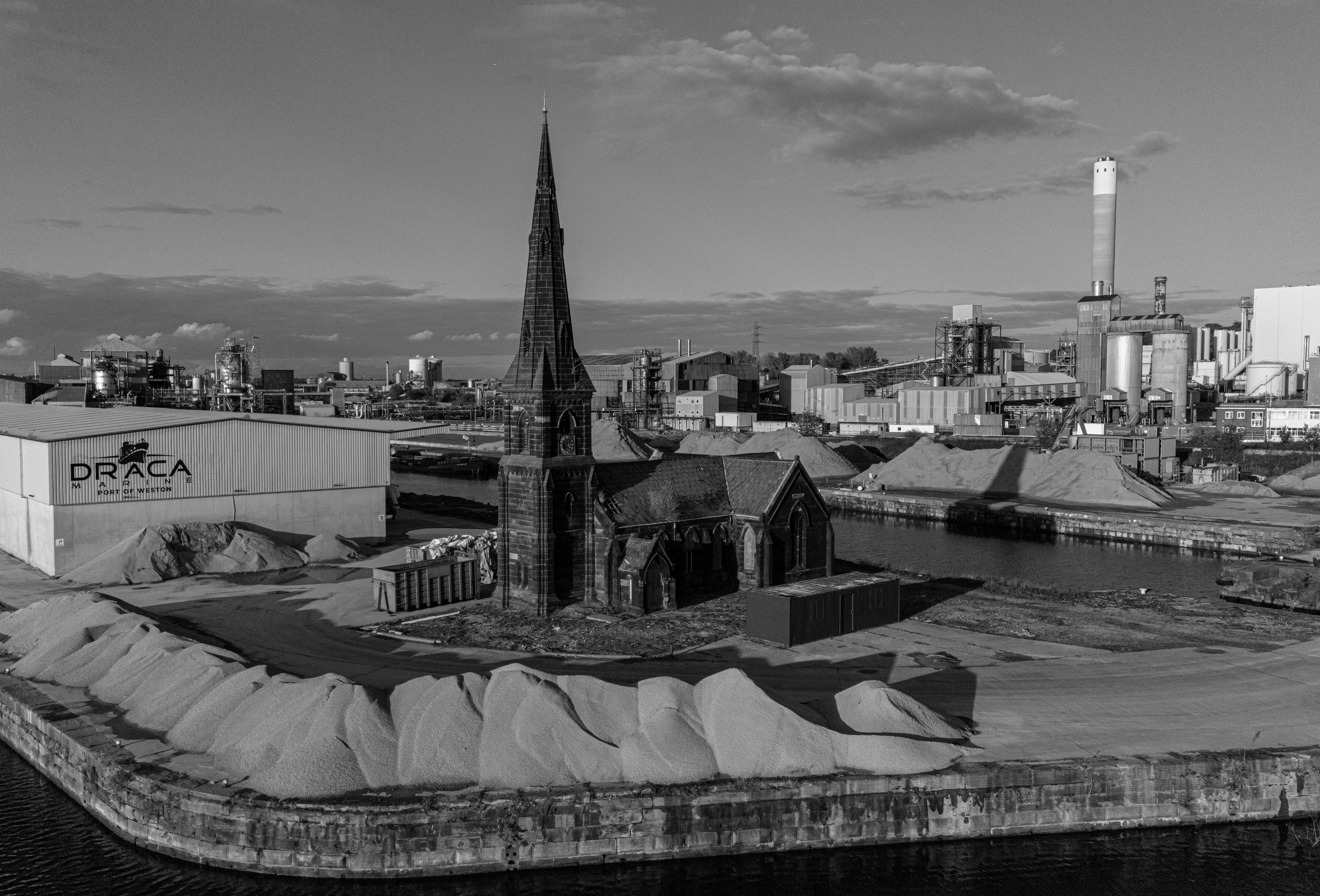
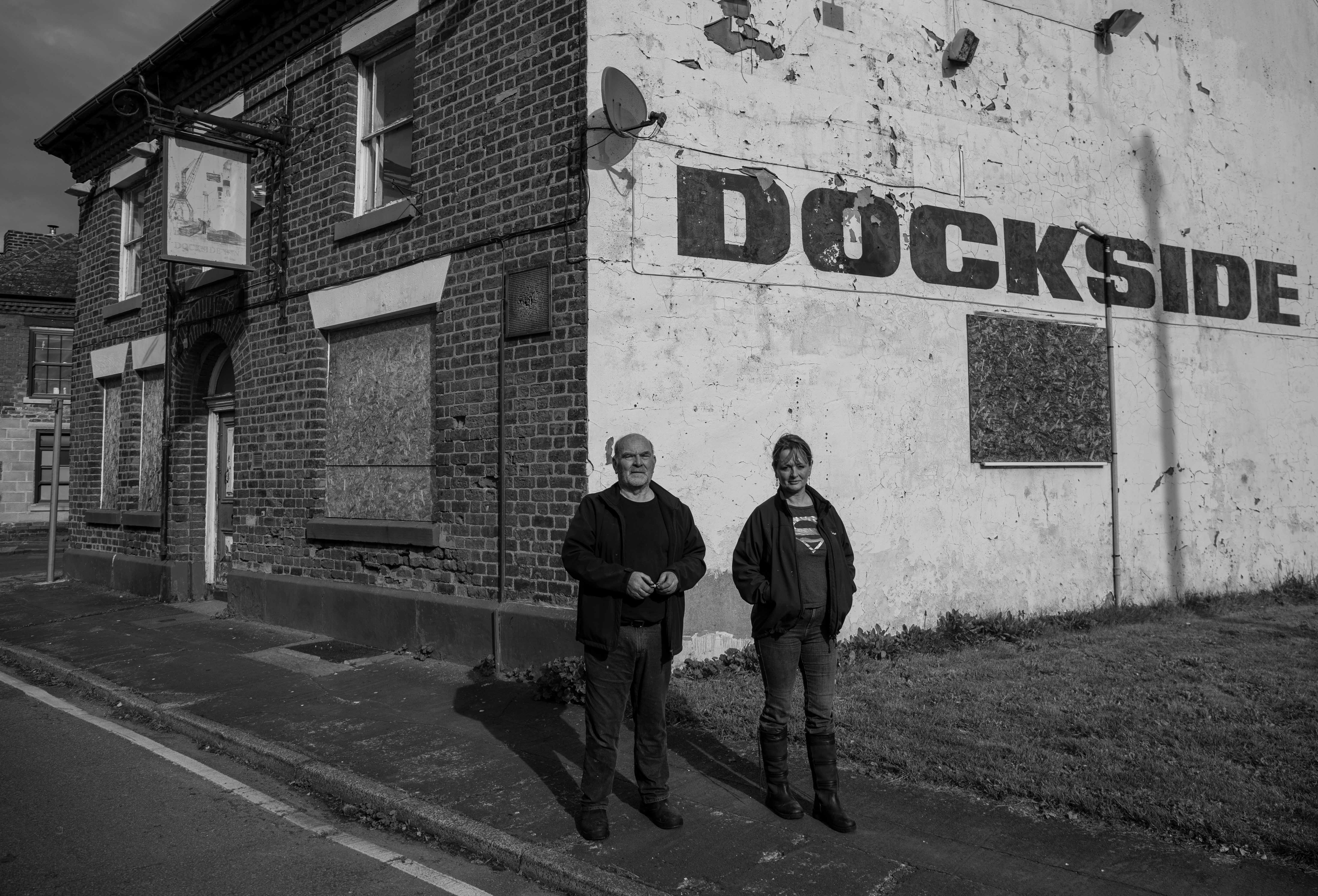
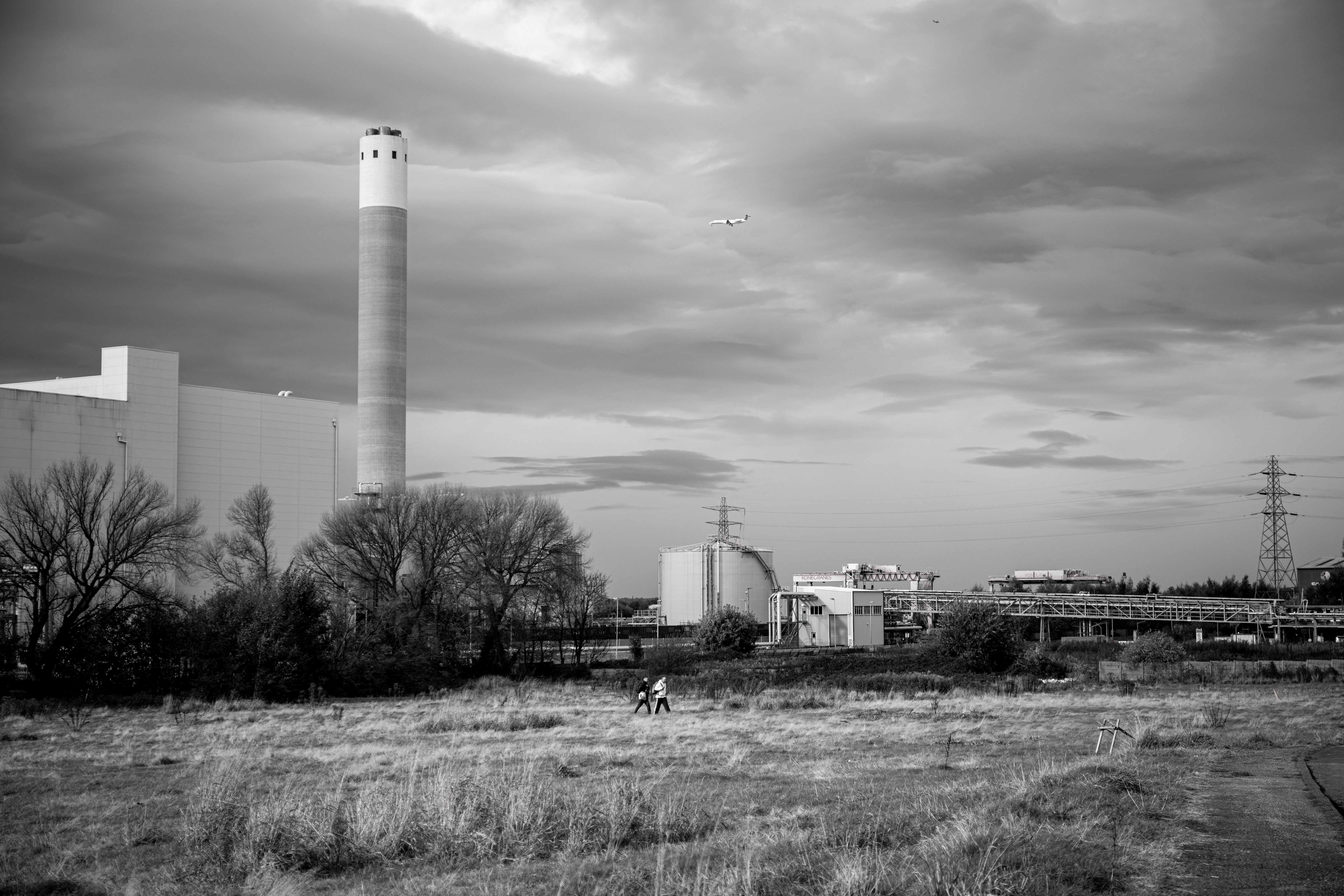
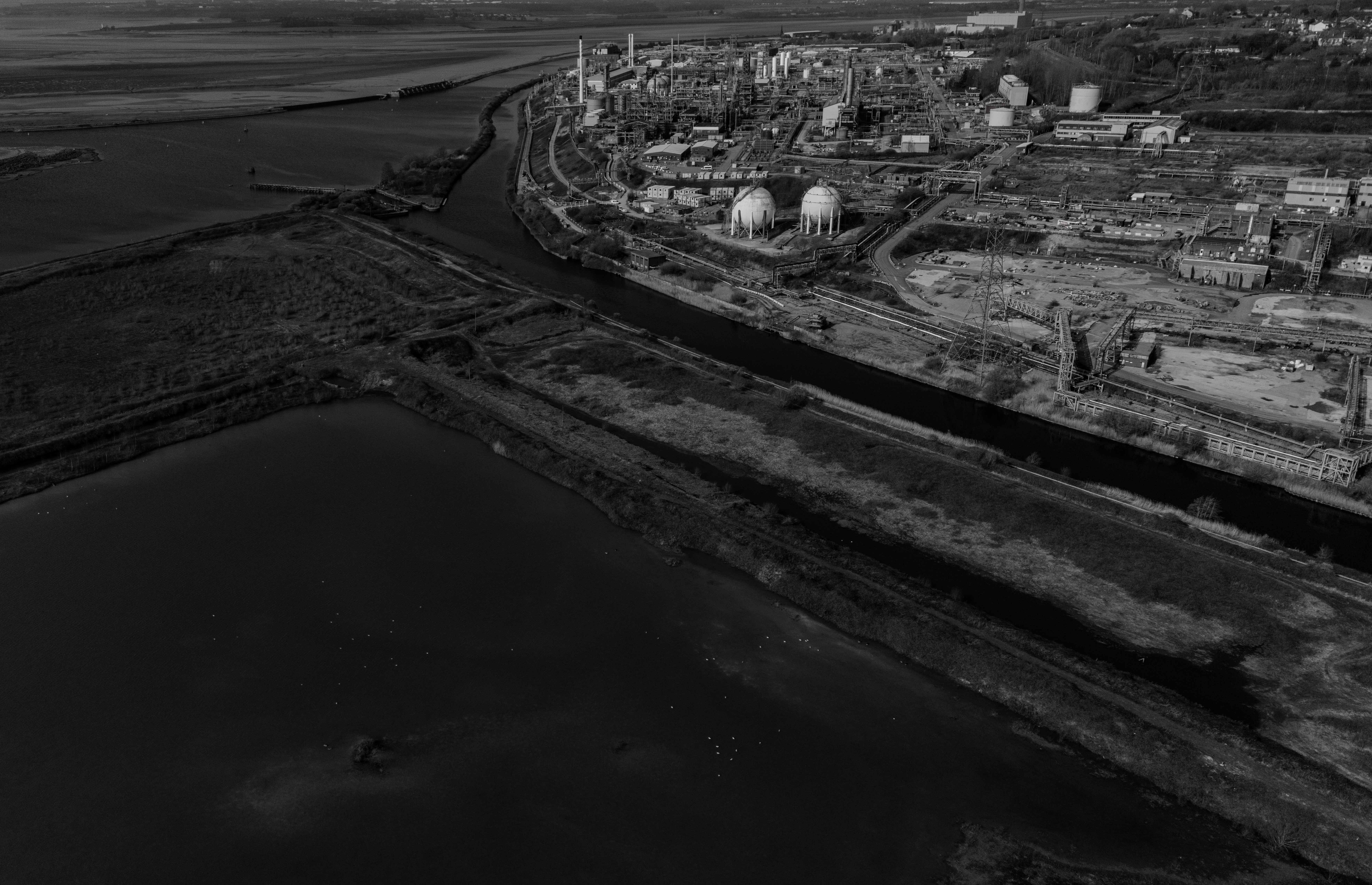
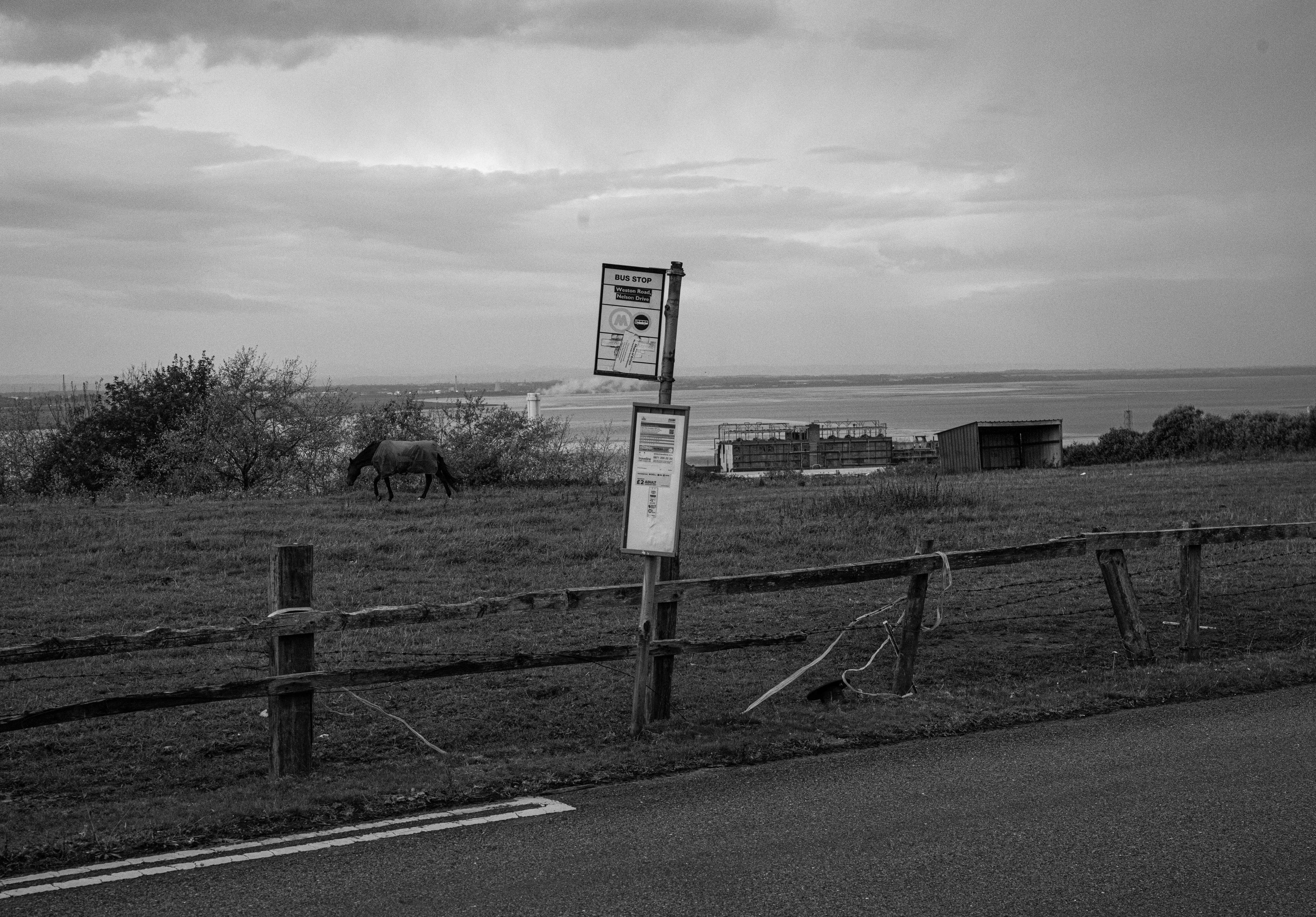
Pollution in Runcorn (ongoing process)
A BBC investigation unearthed more than half of all household waste in England is now being burned in energy-from-waste (EfW) incinerators, rather than being recycled or sent to landfill. Incineration is often promoted as a greener alternative to landfill but evidence suggests serious environmental and public health concerns. These large-scale facilities emit harmful pollutants, including nitrogen oxides, particulate matter, and substances linked to respiratory illnesses, heart disease, and cancer. Although modern incinerators are fitted with filters, not all emissions are captured, and the long-term effects of low-level exposure remain poorly understood.
Working-class communities living near these incinerators, bear the brunt of the environmental impact. In towns like Runcorn, residents have raised concerns about poor air quality, odour, and health issues since the arrival of the large waste-burning facility. At the same time, the increase in incineration is undermining recycling efforts, locking councils into long-term contracts that require a continuous flow of waste. Critics argue this shift prioritises energy generation over sustainability and comes at a cost to both people and the planet. This project will illustrate ‘environmental classism’ in the UK and beyond for the purposes of understanding how to end it. ‘Environmental classism’ refers to policies or practices that impact less favourably on working-class individuals and groups with respect to the quality of their living, working and leisure environments.” Bell, K. (2020). Working-Class Environmentalism: An Agenda for a Just and Fair Transition to Sustainability.
Inspired by Chris Killip’s black and white social-documentary series Seacoal (1982-4) and Skinningrove (1982-4) this new body of work will aim to highlight the intersection of class, environment, and ecology, encouraging wider public dialogue around environmental justice and regeneration in post-industrial towns and contextualise the communities of Runcorn within the precarious post-industrial Britain and the rise of polluting practies.
Working-class communities living near these incinerators, bear the brunt of the environmental impact. In towns like Runcorn, residents have raised concerns about poor air quality, odour, and health issues since the arrival of the large waste-burning facility. At the same time, the increase in incineration is undermining recycling efforts, locking councils into long-term contracts that require a continuous flow of waste. Critics argue this shift prioritises energy generation over sustainability and comes at a cost to both people and the planet. This project will illustrate ‘environmental classism’ in the UK and beyond for the purposes of understanding how to end it. ‘Environmental classism’ refers to policies or practices that impact less favourably on working-class individuals and groups with respect to the quality of their living, working and leisure environments.” Bell, K. (2020). Working-Class Environmentalism: An Agenda for a Just and Fair Transition to Sustainability.
Inspired by Chris Killip’s black and white social-documentary series Seacoal (1982-4) and Skinningrove (1982-4) this new body of work will aim to highlight the intersection of class, environment, and ecology, encouraging wider public dialogue around environmental justice and regeneration in post-industrial towns and contextualise the communities of Runcorn within the precarious post-industrial Britain and the rise of polluting practies.
Assignment in Riesi, Italy
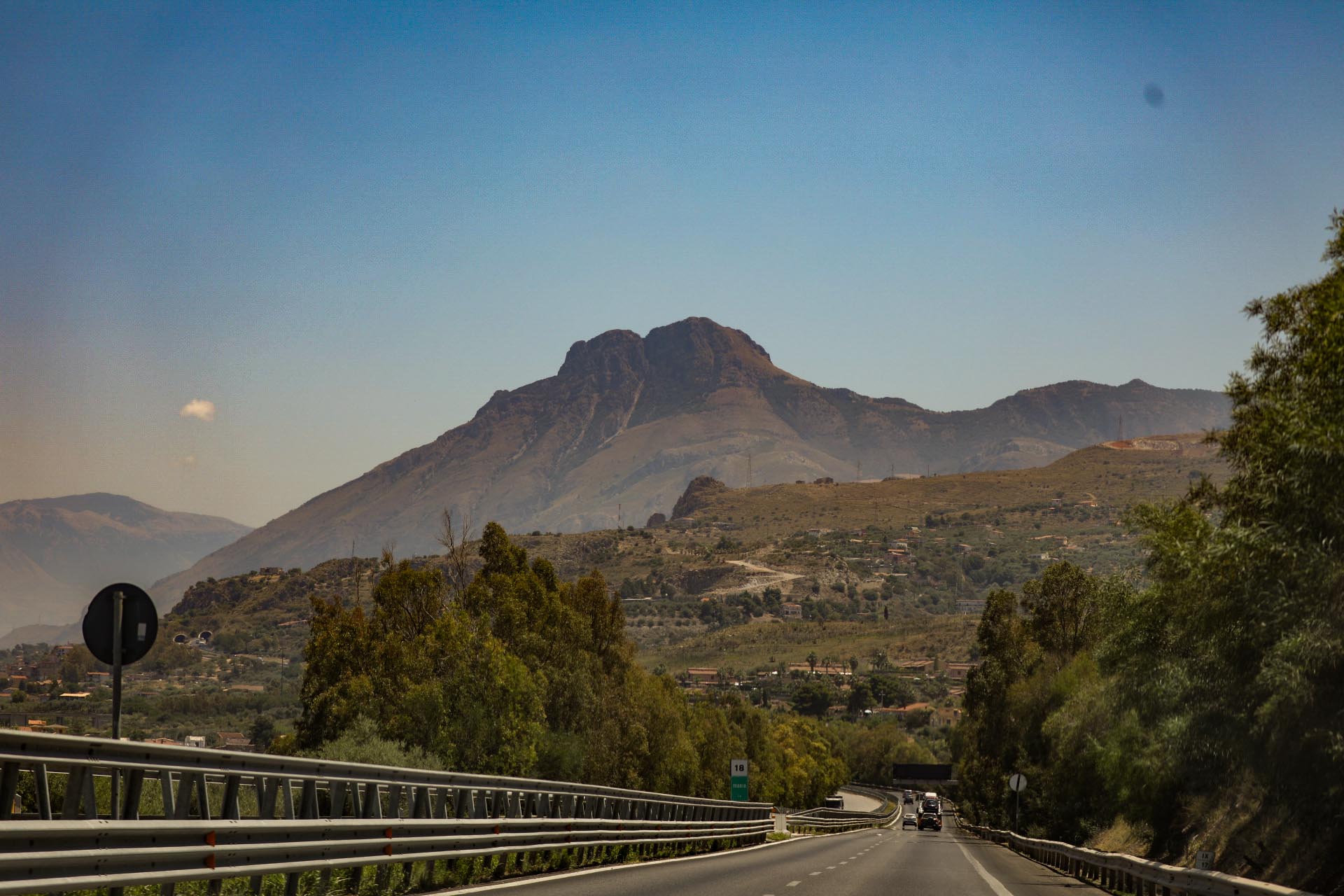
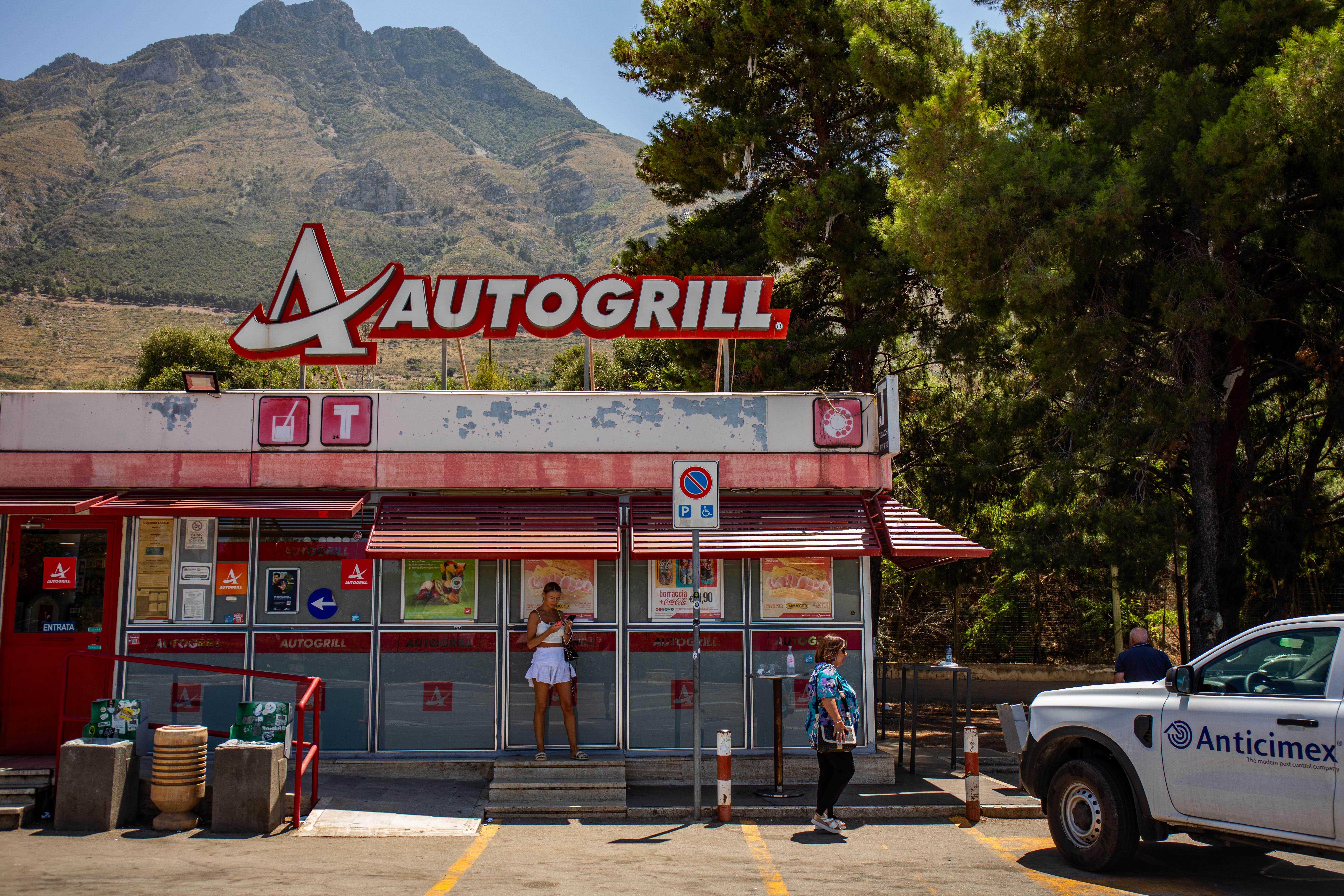
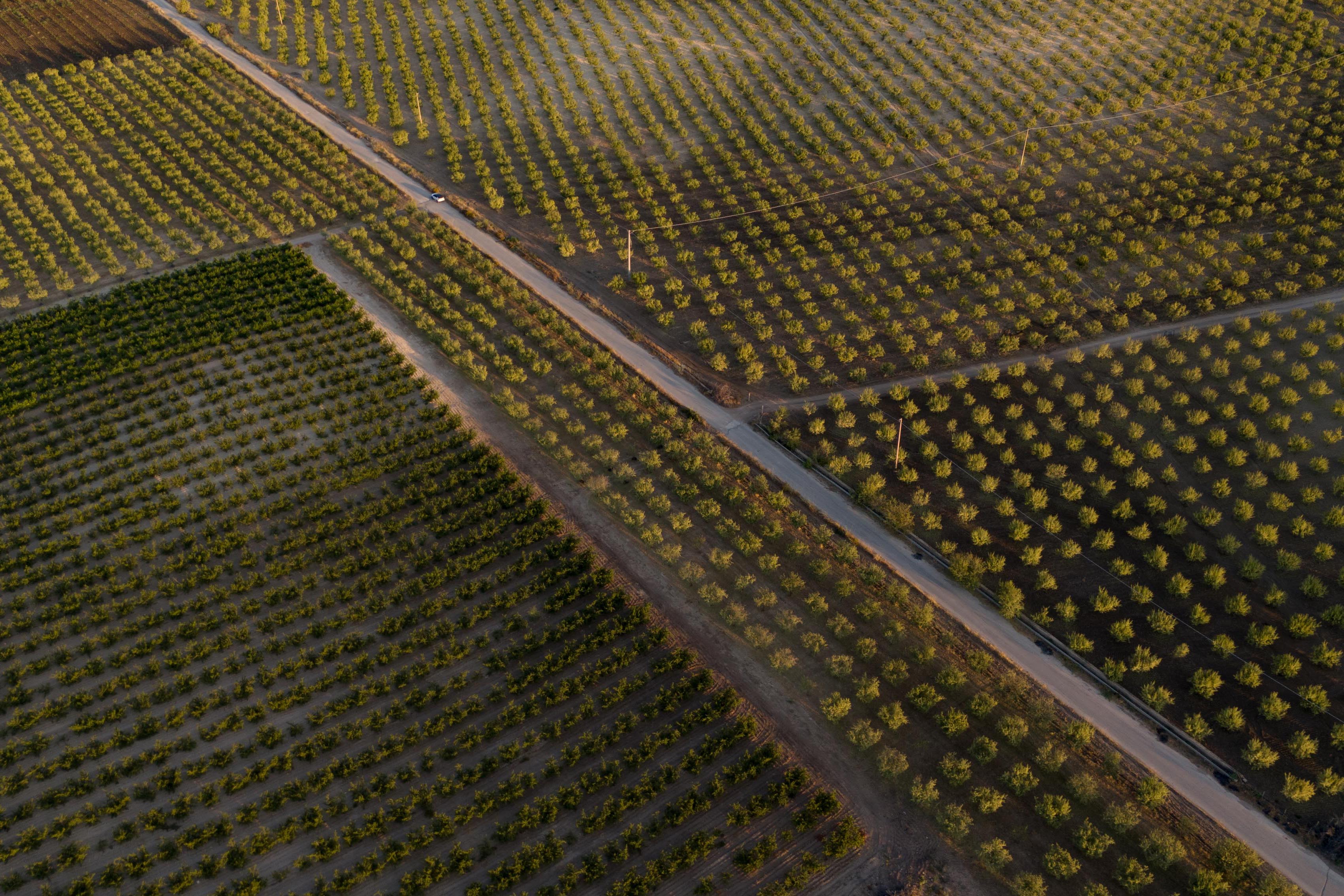
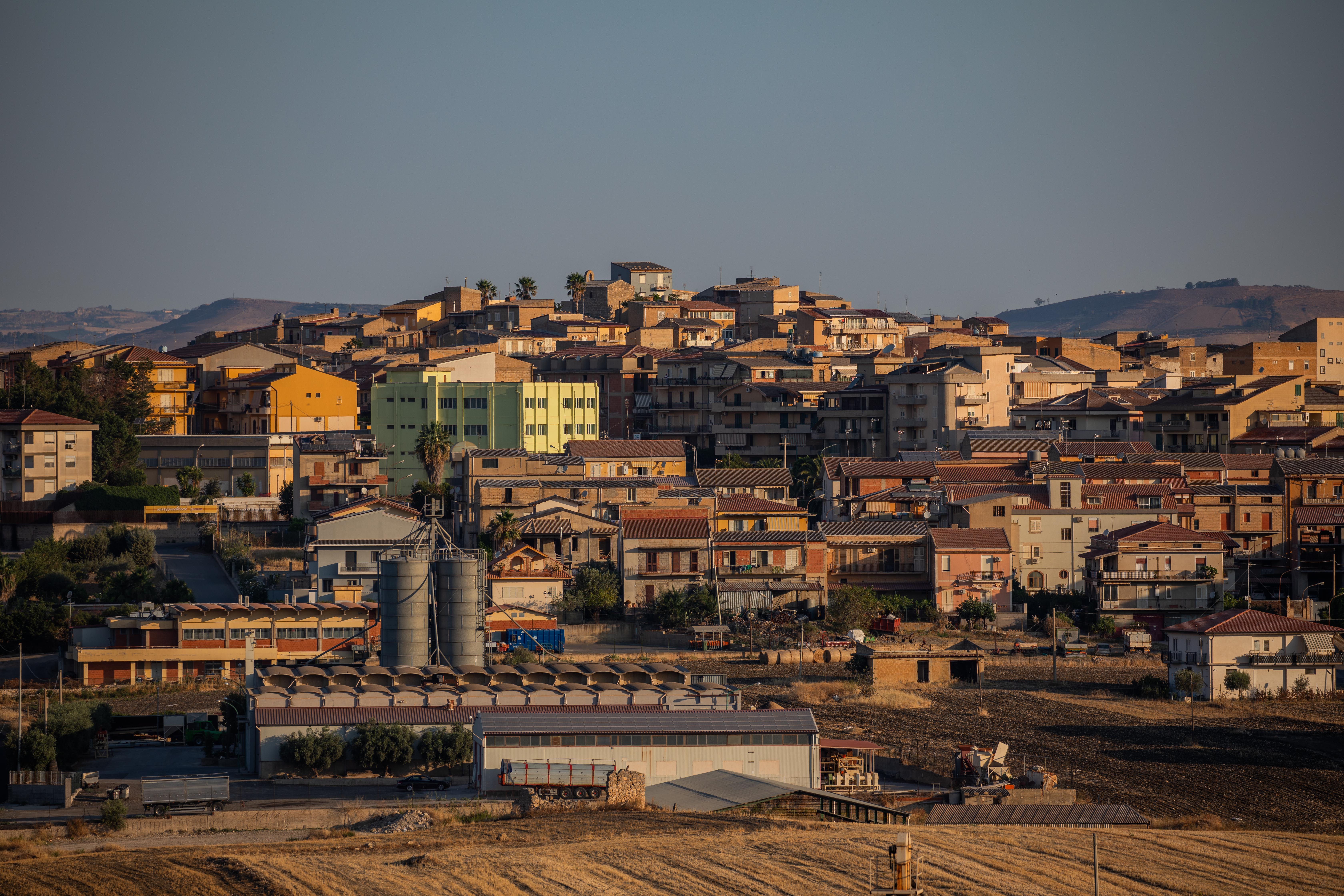
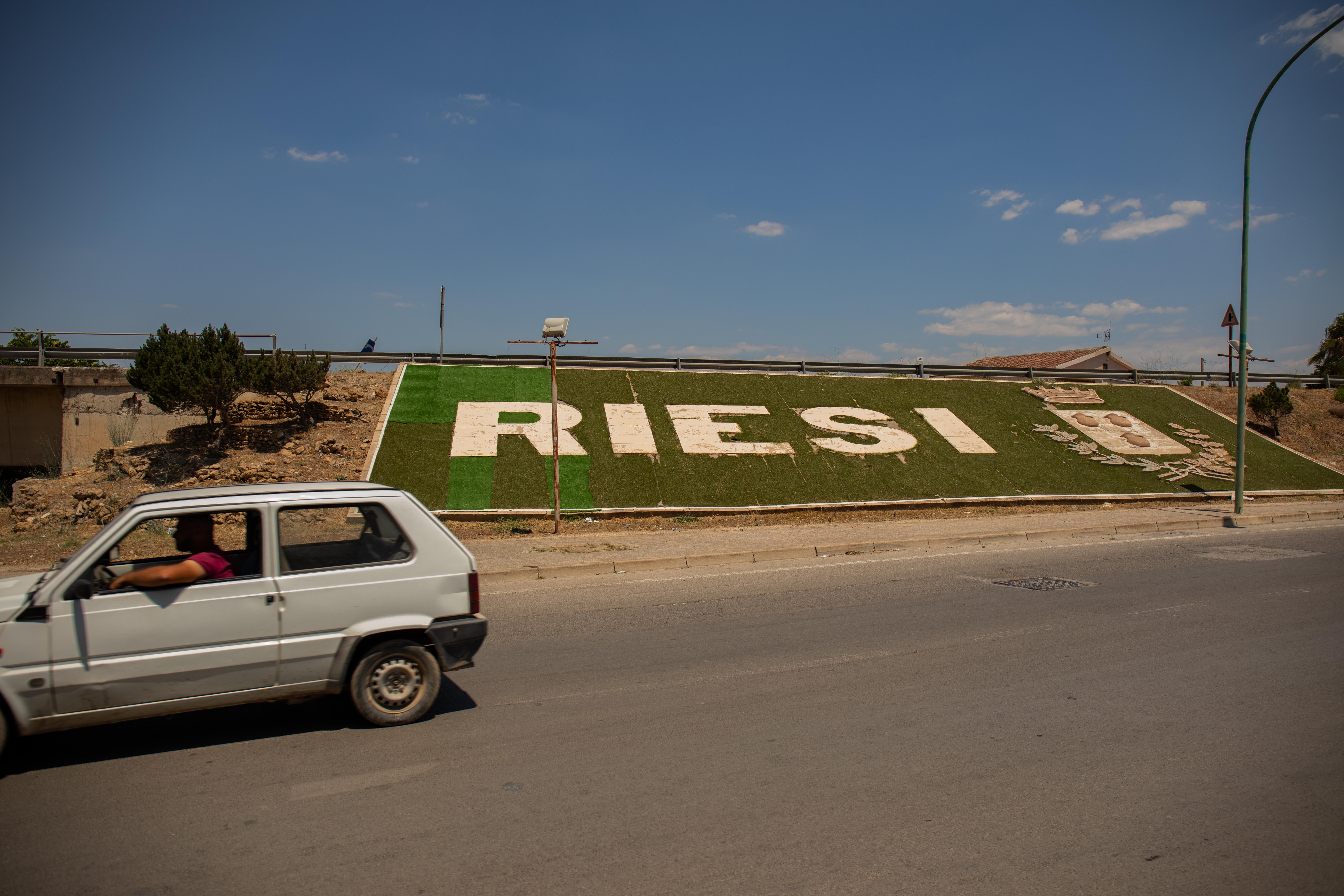
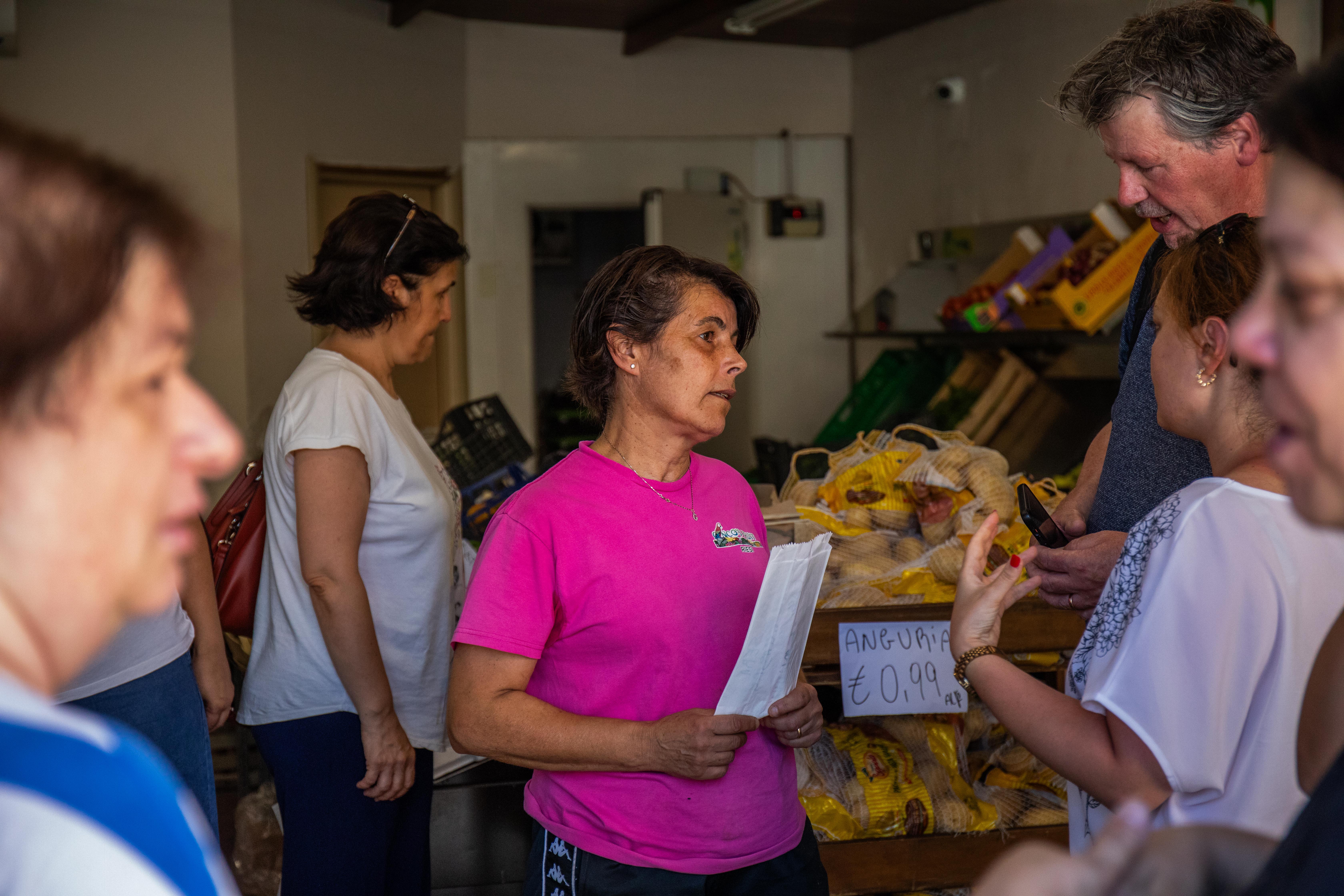
Pictures from a recent four day trip to the town of Riesi, the birthplace and hometown of sacked Strictly dancer Graziano Di Prima, where it is said he has returned to work on his family’s vineyard.
The distraught dance star fled home to Italy to be with his mother, his wife, and the rest of the family after losing his job over claims he kicked, hit, and spat at celebrity partner Zara McDermott during training.
Pictures from a recent four day trip to the town of Riesi, the birthplace and hometown of sacked Strictly dancer Graziano Di Prima, where it is said he has returned to work on his family’s vineyard.
The distraught dance star fled home to Italy to be with his mother, his wife, and the rest of the family after losing his job over claims he kicked, hit, and spat at celebrity partner Zara McDermott during training.





Two Rivers Meet